Asking “what is the best cat breed?” is a little like asking what the best car is. Best for what? Hauling six kids around? Commuting 50 miles a day? Driving through a blizzard? Looking ridiculously cool while going 12 miles to Target?
Cats work the same way.
There really isn’t one breed that’s objectively better than all the others. A Bengal might be an amazing match for someone who wants a highly active, interactive cat. Give that same Bengal to someone looking for a quiet lap cat who considers moving from one end of the couch to the other sufficient exercise, and neither of them is going to be particularly thrilled with the arrangement.
And breed is only part of the equation anyway.
Individual personality, age, socialization, health, and previous experiences can matter just as much, especially if you’re adopting a cat from a shelter or rescue.
So rather than declaring one cat the winner of cats (which I’m pretty sure cats would consider beneath them anyway), let’s look at breeds that tend to fit different households and lifestyles.
Popular Cat Breeds You’ll See Again and Again
Some breeds consistently rank among the most popular pedigree cats, although the exact order changes depending on the organization, year, and how popularity is measured.
You’ll commonly see breeds such as:
- Maine Coon
- Ragdoll
- Persian
- British Shorthair
- Siamese
- Bengal
- Abyssinian
- Russian Blue
- Siberian
- Birman
Of course, pedigree cats make up only a fraction of the cats sharing our homes.
Most cats aren’t a specific breed at all. Your average short-haired shelter cat is usually considered a Domestic Shorthair, not an American Shorthair. Likewise, a fluffy shelter cat isn’t automatically part Maine Coon (although the cat may have very strong opinions on the matter).
That’s worth remembering as we go through the breeds below. If you aren’t specifically looking for a pedigreed cat, you can often find the exact personality you’re looking for at a shelter or rescue without worrying about breed at all.

Best Cat Breeds for Families With Kids
If you have children, temperament matters a lot more than appearance. Ideally, you want a confident, social cat who isn’t easily rattled by normal household noise and activity. You also want a cat who enjoys interacting with people but can walk away when they’ve had enough.
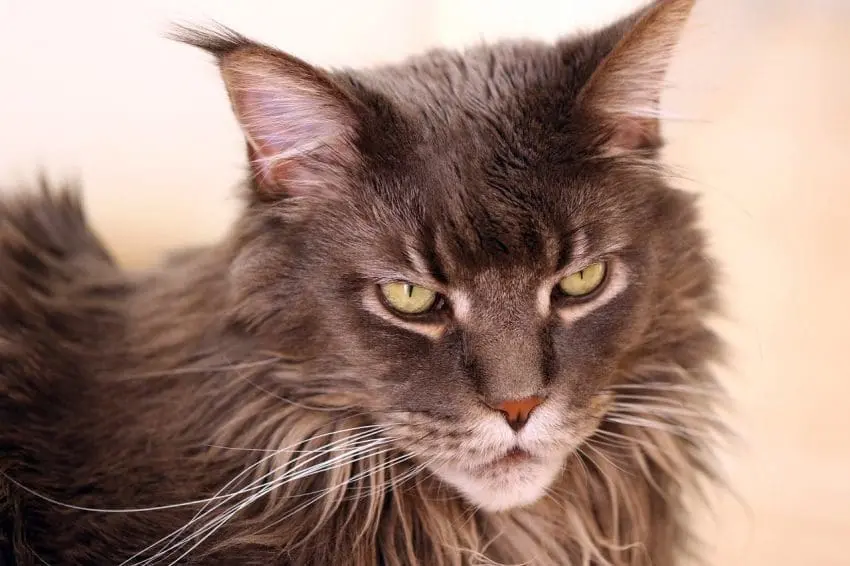
The Maine Coon is one breed worth considering. They’re often described as gentle giants for good reason. Maine Coons tend to be social, playful, and relatively easygoing, and many enjoy being involved in whatever their humans are doing.
Their size can also make them a little less physically delicate than some smaller breeds, but that doesn’t mean they’re indestructible. Kids still need to learn how to pet, pick up, and play with a cat appropriately.
Other breeds that can do well with children include:
- Ragdoll
- Birman
- Burmese
- Abyssinian
- Ragamuffin
Don’t overlook adult shelter cats here, either. One advantage of adopting an adult is that their personality is already pretty well established. A good shelter or foster family may be able to tell you, “This cat loves kids and thinks a noisy house is fantastic,” which is far more useful than trying to predict personality from breed alone.
Best Cat Breeds for Singles
Being single doesn’t automatically mean you need an independent cat. Plenty of single people work from home, and plenty of families are gone ten hours a day.
What really matters is how much time you’re home and how much interaction you want from your cat.
If you’re looking for a cat who enjoys affection but doesn’t necessarily need to supervise every trip you make to the bathroom, the Russian Blue is a good breed to consider.
Russian Blues tend to bond closely with their people but are often fairly comfortable entertaining themselves. They’re also intelligent cats who quickly learn household routines.
Sometimes a little too quickly.
Give a smart cat enough time, and you’ll eventually discover that you’ve accidentally taught them exactly where the treats live, what time you usually serve dinner, and which specific sound means you’re opening something that might contain chicken.
Other relatively independent breeds include:
- British Shorthair
- Persian
- Maine Coon
- Norwegian Forest Cat
If you’re away from home for very long stretches, though, don’t assume any cat will be perfectly happy alone indefinitely. Cats may be more independent than dogs, but they’re still social animals.
Best Cat Breeds for Seniors
For someone who wants a quieter companion, I’d look less at age and more at lifestyle.
A healthy, active 70-year-old might thoroughly enjoy living with an equally active cat. Someone with limited mobility may prefer a calmer adult who isn’t going to spend three hours a night reenacting Mission: Impossible across the furniture.
The Ragdoll is a popular choice for people looking for an affectionate, relatively laid-back companion. They tend to enjoy being near their humans and aren’t usually known for bouncing off the walls.
Other breeds worth considering include:
- Birman
- British Shorthair
- Persian
- Exotic Shorthair
An older rescue cat can also be an excellent match. Senior cats are frequently overlooked in shelters, and many would be perfectly content with a warm bed, predictable routine, and human who understands that 3 AM is for sleeping rather than parkour.
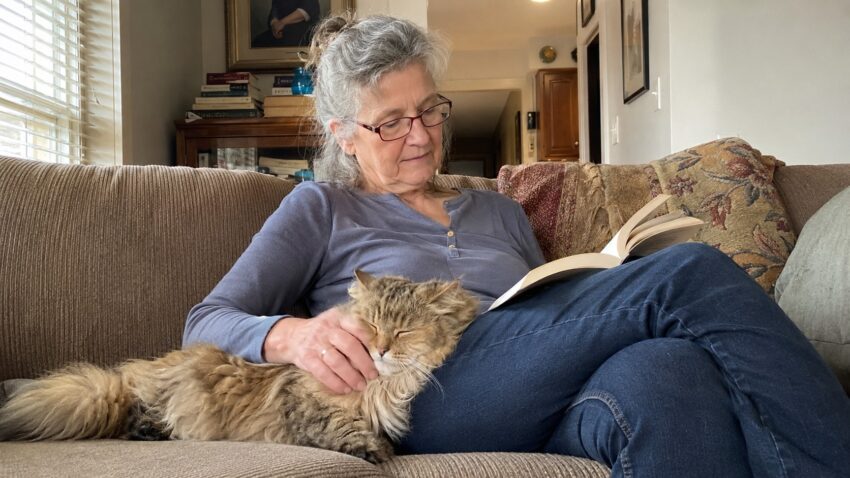
Best Cat Breeds for Active Households
Now let’s go in completely the opposite direction.
If you actually want a cat who needs games, climbing opportunities, interactive toys, and plenty of mental stimulation, you have some very entertaining options.
The Bengal is probably one of the best-known examples.
Bengals are athletic, curious, and extremely intelligent. They’re fascinating cats, but they’re definitely not for everyone. A bored Bengal can become remarkably creative about finding things to do (whether you approve of those activities is another question).
Other active breeds include:
- Abyssinian
- Japanese Bobtail
- Burmese
- Siberian
- Turkish Van
These cats tend to do best in homes where they have plenty of opportunities to climb, explore, chase, and interact with their people.
If your dream cat mostly sleeps beside you while you read, you may want to keep scrolling.
Best Cat Breeds for Homes With Dogs
Whether a cat will get along with a dog depends heavily on both animals’ personalities, previous experiences, and how they’re introduced.
Breed can help stack the odds in your favor, but there are no guarantees.
The Maine Coon once again earns a spot here because the breed tends to be confident, social, and relatively adaptable. Their larger size can also make living with a dog a little less intimidating, particularly if the dog is significantly larger than the average cat.
Other breeds often considered dog-friendly include:
- Norwegian Forest Cat
- Siberian
- Japanese Bobtail
- Tonkinese
- Ragdoll
More importantly, look for a cat who has previously lived successfully with dogs whenever possible.
And introductions matter. Even the world’s most dog-friendly cat probably won’t appreciate having an enthusiastic Labrador shoved into their face five minutes after arriving home.
Best Cats for Apartments and Small Spaces
Cats generally adapt to apartment living quite well, but square footage isn’t the only thing that matters.
Cats use vertical space, too.
A small apartment with cat trees, window perches, shelves, hiding spots, and interactive play can actually offer a cat more usable territory than a larger house with nothing interesting to do.
For that reason, I wouldn’t choose a cat simply because the breed is physically small.
Instead, consider a relatively calm breed such as the British Shorthair. They’re playful without generally requiring Bengal-level entertainment and often adapt well to indoor life.
Other possibilities include:
- Persian
- Ragdoll
- Russian Blue
- Exotic Shorthair
- American Curl
You may notice I left the Munchkin off this list. Their short legs result from a genetic mutation, and there are legitimate welfare concerns surrounding deliberately breeding cats for extreme physical traits. Personally, I’d rather choose a naturally smaller or calmer cat than seek out a breed specifically because of dwarfism.
Best Cat Breeds for Busy People
Cats have a reputation for being the ideal pet for busy people because they’re supposedly completely self-sufficient.
Cats would probably like us to continue believing this.
In reality, they still need attention, enrichment, play, grooming, veterinary care, and approximately 47 opportunities per day to remind you that their food bowl has a visible spot on the bottom.
If you’re frequently out of the house, look for a confident cat who is comfortable spending some time alone.
The British Shorthair is one good option. They’re generally affectionate without being overwhelmingly demanding and often do well with a predictable routine.
Other possibilities include:
- Russian Blue
- Persian
- Norwegian Forest Cat
- Maine Coon
Again, personality matters enormously here. A shelter or foster-based rescue may be able to specifically match you with a cat who doesn’t mind entertaining himself while you’re at work.
Best Cat Breeds for People With Allergies
First, let’s clear up one of the biggest myths about cats and allergies:
Hairless does not mean hypoallergenic.
Most people with cat allergies aren’t actually allergic to cat hair itself. They’re reacting to proteins found in cats’ saliva, skin secretions, and dander. Those allergens can end up on fur, furniture, clothing, and pretty much everywhere else a cat goes.
That means even a Sphynx can trigger allergies.
Some breeds may be easier for certain people to tolerate, including:
- Siberian
- Balinese
- Russian Blue
- Devon Rex
- Cornish Rex
- Devon Rex
But there is no truly hypoallergenic cat breed.
If allergies are a major concern, spend time with the individual cat before bringing them home. Reactions can vary surprisingly widely from one cat to another, even within the same breed.
Best Cats for Kids Who Prefer a Calmer Companion
Not every child wants a cat who races through the house, climbs everything in sight, and demands constant interaction.
Some kids are much happier with a quieter companion who enjoys simply hanging out nearby.
This can be especially important for children who are sensitive to noise, sudden movement, or unpredictable behavior. Rather than focusing on a particular diagnosis or assuming all children have the same needs, I’d choose based on the individual child’s personality and comfort level.
Calmer breeds to consider include:
- Ragdoll
- Birman
- Persian
- Exotic Shorthair
- British Shorthair
But this is another situation where an adult foster cat can be an even better option.
A kitten is basically a tiny furry wildcard. With an adult cat, a foster family can often tell you whether that cat is quiet, cuddly, easily startled, tolerant of handling, or perfectly happy simply sitting beside someone.
That information is far more valuable than a breed description.
Best Cat Breeds for Emotional Support
If you’re looking for a cat primarily for companionship and emotional support, forget about finding the “perfect emotional support breed.”
Look for the perfect individual cat.
Some people want a lap cat who would happily remain attached to them 24/7. Someone else may find that overwhelming and prefer a cat who quietly sleeps nearby without constantly demanding attention.
That said, some breeds are known for forming particularly close relationships with their humans.
The Ragdoll is an obvious candidate, along with:
- Siamese
- Birman
- Burmese
- Maine Coon
- Russian Blue
Siamese cats deserve a special mention because they tend to be extremely people-oriented and communicative. Of course, “communicative” is the polite way of saying your cat may have a running commentary about absolutely everything happening in the house.
For some people, that’s delightful.
For others, there’s the Russian Blue.
So, What Really Is the Best Cat Breed?
After spending more than 30 years living with cats, I’ve come to a fairly unexciting conclusion:
The best cat is the one whose personality fits your life.
Breed characteristics are useful. They can give you a general idea of a cat’s likely activity level, grooming requirements, size, sociability, and temperament.
They aren’t a personality guarantee.
You can meet a Maine Coon who wants nothing to do with your lap, a supposedly independent cat who follows you from room to room, or a random Domestic Shorthair from the shelter who somehow turns out to be exactly the cat you were looking for.
If you’re buying from a breeder, research both the breed and the breeder carefully, including breed-specific health problems and genetic testing recommendations.
If you’re adopting, talk to shelter staff or foster families about what you’re actually looking for. Tell them about your household, other pets, kids, schedule, activity level, and the type of relationship you want with your cat.
Then meet some cats.
You may walk in convinced that you want a fluffy two-year-old female and leave completely smitten with a seven-year-old orange guy who looks like he hasn’t had a coherent thought since 2019.
Cats have a way of rearranging our plans like that.