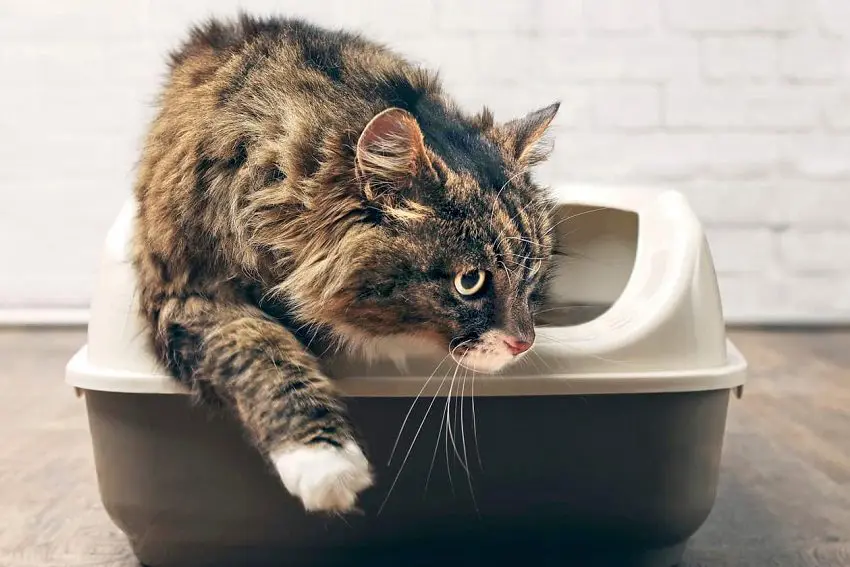
Why does my cat use the litter box right after I clean it? It never fails, right? You scoop the litter box, smooth out the fresh litter, admire your approximately 14 seconds of pristine cleanliness…and in walks your cat.
Apparently, this could not wait.
If your cat seems determined to use the litter box immediately after you clean it, there’s usually nothing strange going on. In fact, it makes quite a bit of sense when you look at the litter box from a cat’s perspective.
Quick Answer: Why Does My Cat Use the Litter Box Right After I Clean It?
Cats often use the litter box immediately after it’s cleaned because they prefer a clean place to eliminate. Some cats may also investigate the box because cleaning changed its scent or disturbed the litter, and they may urinate or defecate while they’re there.
If you completely washed the box or replaced all of the litter, scent may play a bigger role. Your cat may want to leave their familiar scent behind again.
In other words, your cat probably isn’t waiting for you to finish cleaning just so they can ruin your handiwork. It only feels that way.
1. Cats Really Do Prefer a Clean Litter Box
The simplest explanation is probably the biggest one: your cat likes a clean bathroom. Fair enough. So do we.
Cats have an excellent sense of smell, and a litter box that seems reasonably clean to us may smell considerably less appealing to them. Once you’ve scooped out the urine clumps and feces, you’ve made the box a much nicer place to use.
This is especially noticeable in multi-cat homes. A freshly scooped box has fewer waste odors from everybody else, which can make it particularly attractive.
Some cats will even wait nearby while you scoop and climb in practically before you’ve put the scoop away. They aren’t necessarily “marking” the box. They may simply have been waiting for room service to finish.
Do cats wait for you to clean the litter box before using it?
Some cats appear to wait until their litter box has been scooped before using it because they strongly prefer clean litter. If your cat regularly uses the box immediately after cleaning but otherwise has normal litter box habits, it’s usually just a preference rather than a problem.
And yes, this is one reason automatic litter boxes can work particularly well for cats that are picky about cleanliness.
Whisker’s most advanced litter box yet. The Litter-Robot 5 Pro adds dual 1080p cameras, AI-powered cat recognition, and deeper Whisker+ insights to track bathroom habits and health trends. It’s a self-cleaning litter box that actually learns from your cat—delivering next-level convenience and peace of mind for tech-savvy pet parents.
⭐ BEST PRICE ON THE WEB⭐
SAVE UP TO $150 THROUGH OUR LINK!

2. Cleaning the Box Changes Its Smell
There’s a difference between scooping a litter box and giving the whole thing a serious cleaning.
When you scoop, plenty of your cat’s scent remains behind. But when you dump the litter, scrub the box, and refill it completely, you’ve removed much more of that familiar smell.
Your cat may immediately investigate because something in an important part of their territory has changed.
Cats rely heavily on scent to understand their environment. A newly washed litter box may look exactly the same to you while smelling noticeably different to your cat.
Using it restores some of their familiar scent.
That doesn’t necessarily mean your cat is being territorial in the aggressive “THIS IS MINE” sense. It’s more like restoring the box to its normal place on their internal map of how the house is supposed to smell.
3. Fresh Litter Can Be More Appealing
If you’ve added new litter, that can be part of the attraction too.
Fresh litter is dry, loose, and easy to dig through. It hasn’t developed damp areas or compacted spots, and there aren’t any old clumps getting in the way of your cat’s elaborate excavation project.
And some cats do make it a project.
Even topping off the box after scooping changes the texture enough that your cat may come over to investigate. Once they’re standing in a freshly fluffed box, nature may take it from there.
4. You Just Reminded Your Cat That the Litter Box Exists
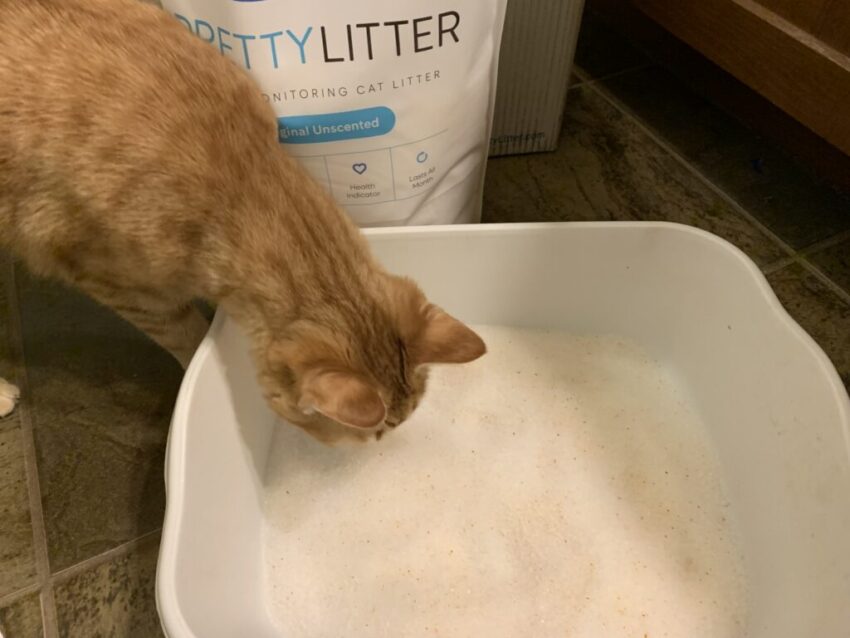
Sometimes the explanation isn’t particularly deep. You walked over to the litter box. You moved things around. You made noise with the scoop. You poured in some fresh litter. Your cat came to see what you were doing.
It’s the same basic principle behind a cat who hasn’t looked at a toy in six months suddenly becoming fascinated with it the second you pick it up.
While they’re investigating the newly cleaned box, they may decide they might as well use it.
5. Some Cats Are More Particular About Litter Box Cleanliness Than Others
Cats aren’t remotely consistent about this. One cat will happily use a box that another cat considers unacceptable after a single pee clump appears. Some don’t seem bothered by sharing, while others clearly have opinions about what their housemates have left behind.
This is one reason blanket litter box rules don’t always tell the whole story. You have to pay attention to the cats actually living in your house.
If one of your cats consistently races to the box after you scoop it, that’s useful information. They’re telling you they have a strong preference for a freshly cleaned box.
And that’s worth accommodating when you can.
Where Automatic Litter Boxes Can Help
A cat that strongly prefers a freshly scooped box is also one of the better candidates for an automatic litter box.
Instead of waiting for you to scoop once or twice a day, an automatic box cleans after each use. That means the next cat is much more likely to find a clean litter bed rather than yesterday’s collection of clumps.
This can be particularly useful in a multi-cat household, where a traditional litter box can go from “I just cleaned this” to “how did THAT happen already?” surprisingly fast.
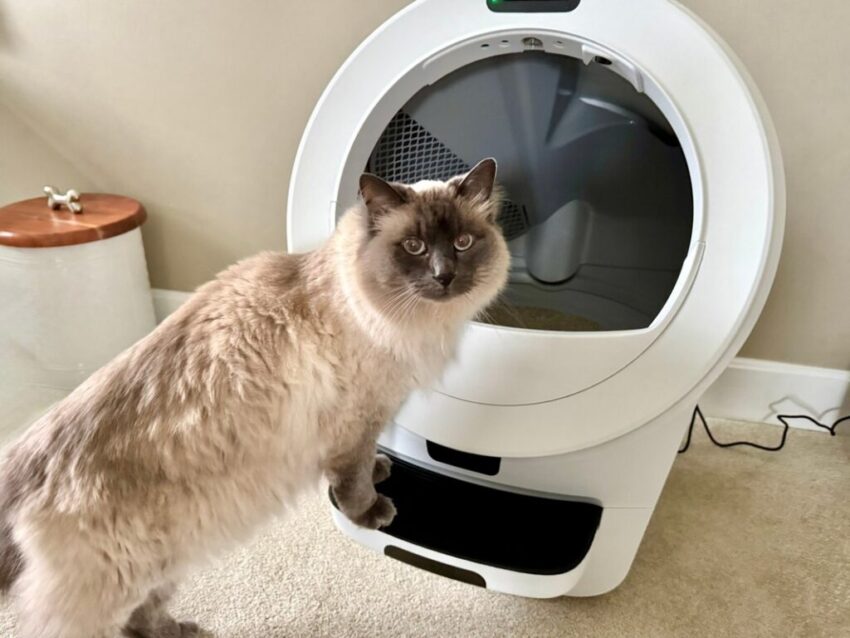
For example, the Litter-Robot 5 Pro automatically cycles after a cat uses it, separating waste from the clean litter and depositing it in the waste drawer below. So if you have a cat who seems happiest when they’re the first customer after cleaning time, they essentially get that experience much more often.
It doesn’t mean every cat will instantly prefer an automatic litter box. Cats still have opinions about box size, entry style, litter type, location, and the machine itself. Some also need a gradual transition before they’re comfortable using one.
But if cleanliness is your cat’s main complaint about a traditional box, automatic scooping solves a very real part of the problem.
Should You Completely Replace the Litter Every Time You Clean the Box?
Usually, no. For everyday cleaning, scoop out urine clumps and feces and add enough fresh litter to maintain the appropriate depth. How often you need to completely empty and wash the box depends on the litter you’re using, the number of cats using it, and how quickly the box gets dirty.
When you do wash it, avoid turning the litter box into a perfume counter.
Cats generally don’t need their litter boxes to smell like lavender, lemons, mountain breezes, or whatever else humans have decided “clean” is supposed to smell like. Strongly scented cleaners can actually make the box less appealing.
Use a mild, cat-safe cleaner, rinse thoroughly, and make sure the box is dry before adding litter again.
Is It Territorial When a Cat Uses a Litter Box Right After You Clean It?
It can involve scent, but using a freshly cleaned litter box isn’t automatically territorial behavior. Most cats are probably responding to the clean litter, investigating the changed scent, or simply taking advantage of a freshly scooped bathroom.
Territorial marking is more concerning when you see behaviors such as urine spraying outside the litter box, conflict around access to the box, guarding, or one cat preventing another from using it.
Simply hopping into a clean litter box and peeing normally isn’t the same thing.
What If My Cat Rolls or Plays in the Litter Box After I Clean It?
This one looks considerably weirder, especially when an adult cat does it.
Some cats enjoy digging, rolling, or playing in fresh litter because it’s clean, loose, and interesting. Kittens are particularly prone to treating the litter box like an activity center nobody asked for.
Occasionally playing in clean litter isn’t necessarily a problem. You should pay more attention if your cat suddenly starts spending an unusual amount of time in the box, lying in dirty litter, repeatedly entering without eliminating, or showing other behavioral changes.
Those behaviors can have very different explanations than simply celebrating fresh litter day.
When Using the Litter Box Right After Cleaning Could Mean Something Else
The timing itself usually isn’t concerning. A change in how often your cat is using the litter box is.
Contact your veterinarian if your cat suddenly begins:
- Making repeated trips to the litter box
- Straining to urinate or defecate
- Producing very small amounts of urine
- Crying or appearing uncomfortable in the box
- Licking their genital area excessively
- Urinating or defecating outside the box
- Showing a significant change in normal litter box habits
A cat who pees once immediately after you scoop isn’t the same as a cat who keeps returning to the box every few minutes.
Repeated attempts to urinate with little or no urine coming out can be an emergency, particularly in male cats.
FAQ
Why does my cat pee as soon as I clean the litter box?
Your cat may simply prefer freshly scooped litter. Cleaning removes waste and odors and makes the box more appealing. If you’ve completely washed the box, your cat may also be responding to the change in scent.
Is my cat marking the litter box after I clean it?
Possibly, but normal urination in a freshly cleaned box shouldn’t automatically be considered marking. Cats may restore their scent after a box has been thoroughly washed, but they’re also naturally attracted to clean litter.
Do cats like freshly cleaned litter boxes?
Most cats prefer reasonably clean litter boxes. Individual tolerance varies considerably, though. Some cats will use a box several times without complaint, while others strongly prefer litter that has just been scooped.
Why does my cat watch me clean the litter box?
Cleaning creates noise, movement, and changes to an important part of your cat’s environment, so naturally they’re going to supervise. Your cat may be curious about what you’re doing, waiting for a clean box, or both.
How often should I scoop my cat’s litter box?
Traditional litter boxes should generally be scooped at least once a day, and more frequently may be necessary in multi-cat households or for cats that are particularly sensitive to cleanliness. Automatic litter boxes remove waste after use, which can keep the litter bed cleaner between human cleanings.
So, Is My Cat Trying to Ruin My Nice Clean Litter Box?
Probably not. Your cat using the litter box immediately after you clean it is generally a compliment to your housekeeping, albeit one delivered in the least flattering way possible.
A freshly scooped box smells better, feels better under their paws, and doesn’t contain yesterday’s business. If you’ve completely cleaned it, your cat may also be investigating the changed scent and putting a little of their own back where they expect it.
So when your cat strolls in approximately three seconds after you’ve finished scooping, don’t take it personally.
They aren’t ruining the clean litter box. They’re giving it a five-star review.