Cats have spent thousands of years living alongside humans, yet apparently we still haven’t decided whether they’re tiny household gods, supernatural protectors, weather forecasters, witch accomplices, or harbingers of doom.
Maybe all of the above?
Cat superstitions and folklore show up in cultures all over the world, and one of the most interesting things about them is how often they completely contradict each other. A black cat crossing your path is bad luck! Unless it’s good luck. A cat on a ship can protect the crew! Unless it walks off the ship, in which case everyone should apparently start worrying.
And some of the beliefs are so oddly specific that you have to wonder what happened to inspire them in the first place.
Before we get into the weird stuff, though, one important note: folklore isn’t the same thing as a universal cultural belief. These stories developed in particular places and periods, changed over generations, and sometimes existed alongside completely contradictory traditions. So, we’re exploring the folklore here, not suggesting that everyone from a particular country believes their cat can see ghosts.
With that out of the way, let’s see what humans have blamed (and credited) cats for over the centuries.
1. Black Cats Bring Bad Luck…Except When They Bring Good Luck
We might as well start with the big one.
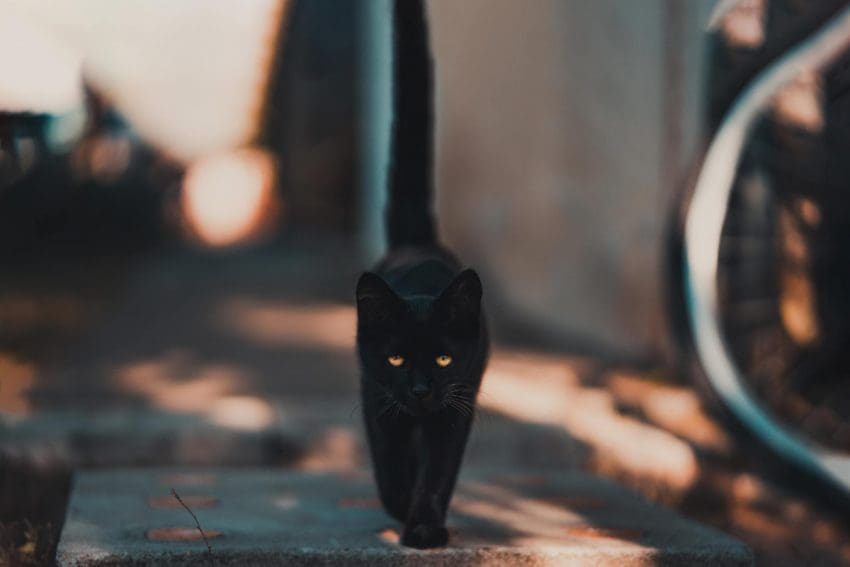
In the United States and parts of continental Europe, a black cat crossing your path has long been associated with bad luck. The superstition became tangled up with medieval European fears about witchcraft, including stories about witches disguising themselves as cats or keeping cats as supernatural companions.
But cross a few borders and our supposedly unlucky cat gets an entirely different reputation.
In British and Irish folklore, black cats have often been considered good luck. Scottish tradition even holds that an unfamiliar black cat arriving at your home can signal prosperity.
Japan also has positive traditions surrounding black cats, including associations with good fortune.
So, if a black cat crosses your path, I’m going with the more optimistic interpretation. I personally LOVE black cats!
2. Black Cats Could Keep Sailors Safe at Sea
Cats were common aboard ships for the extremely practical reason that they killed rats and mice. Somewhere along the way, their job description expanded to include supernatural maritime security.
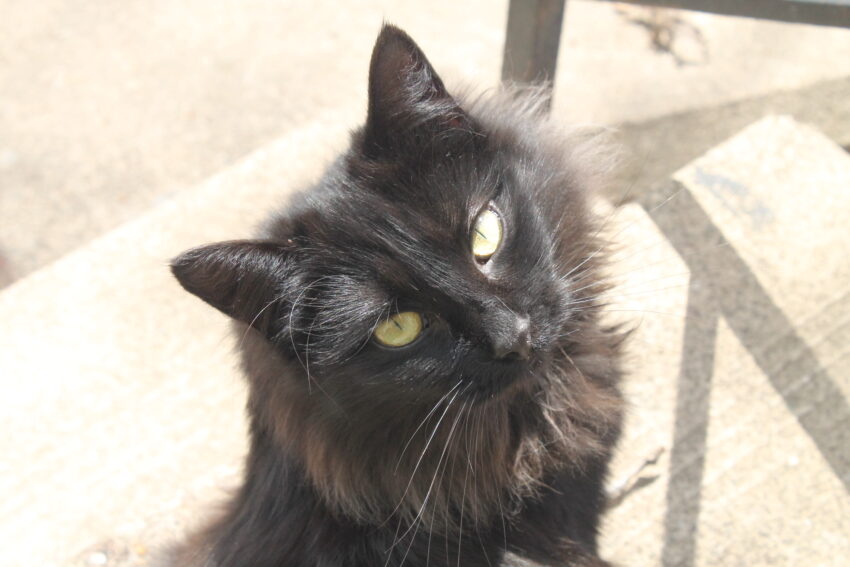
British and Irish sailors traditionally considered black ship cats particularly lucky, and some fishermen’s wives kept black cats at home in the belief that they could help protect their husbands at sea.
Of all the cat superstitions on this list, this one at least started with some solid logic. A good mouser really could help protect a ship’s food supply and equipment.
The weather-control abilities are somewhat harder to verify.
3. Whatever You Do, Don’t Throw the Ship’s Cat Overboard
Sailors had another, much darker belief about cats at sea.
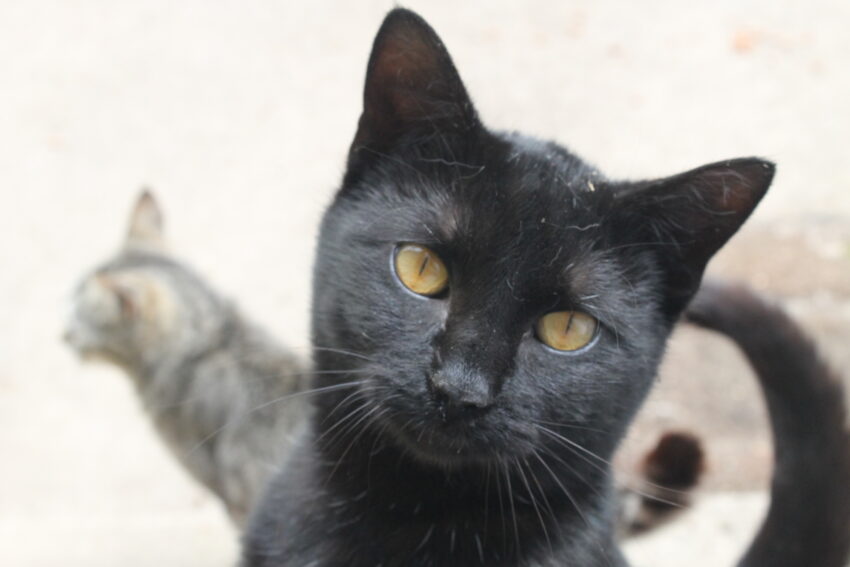
Throwing a cat overboard was said to summon a terrible storm. If the ship somehow survived said storm, it could supposedly face nine years of bad luck afterward.
Nine years. Not seven. Apparently, cats negotiated their own penalty clause.
Given that deliberately throwing an animal into the ocean is awful regardless of supernatural consequences, this is one superstition I’m perfectly happy to endorse in spirit: do not throw cats off boats. I mean, why would you in the first place???
4. Cats Could Predict the Weather
Before weather apps, apparently there were cats. Old maritime folklore assigned different weather predictions to different feline behaviors. A cat licking its fur against the grain could mean hail was coming. A sneeze might predict rain, while unusually playful behavior could signal wind.
There are numerous other regional variations involving cats washing their faces, sitting with their backs to the fire, or behaving restlessly before storms.
Cats probably aren’t furry meteorologists, but there’s a tiny grain of plausibility buried underneath some weather folklore. Animals can respond to changes in atmospheric pressure, humidity, static electricity, sound, and other environmental cues that we may not notice.
Whether your cat knows a thunderstorm is coming or has simply decided 3 a.m. is an excellent time to sprint down the hallway is another matter.
5. Cats Can See Ghosts
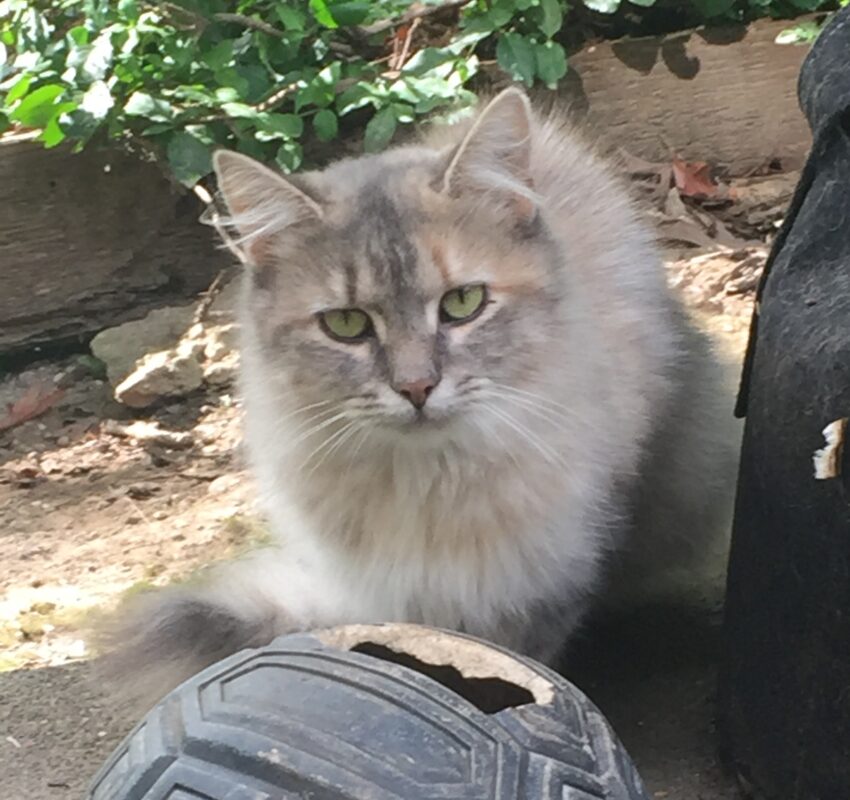
If you’ve ever watched a cat stare intensely at a completely empty corner of the room, you can probably understand how this one got started.
Beliefs connecting cats with spirits appear in folklore from several parts of the world, including traditions in East Asia and Europe. Cats have variously been described as animals capable of sensing spirits, seeing things invisible to humans, or protecting homes from supernatural forces.
Do they actually see ghosts? Probably not.
Do I still want an explanation for why my cats occasionally stare over my shoulder like someone is standing behind me? Very much so.
6. A Purring Cat Means a Ghost Is Nearby
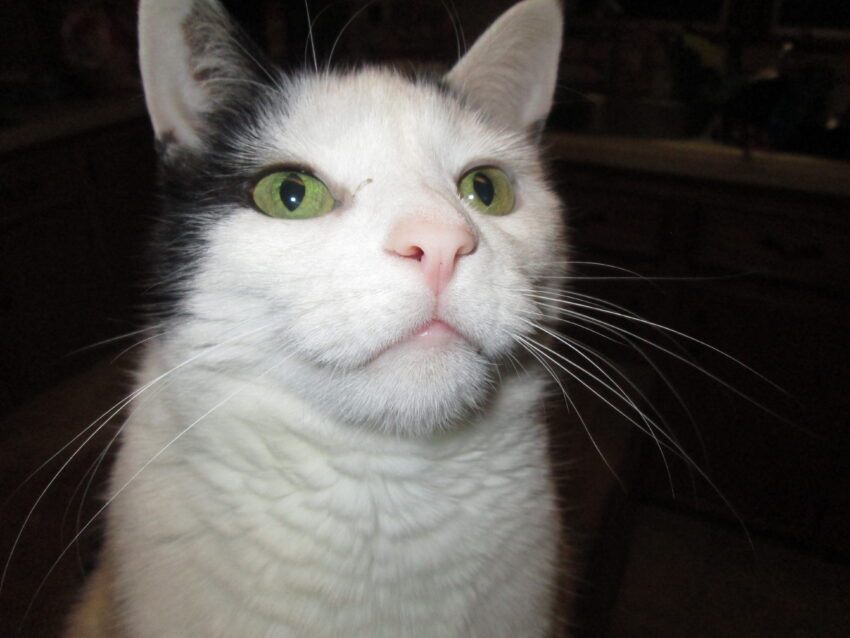
Here’s a more specific variation from Irish folklore: a cat purring could indicate that a ghost was in the room.
Which seems a little unfair considering cats also purr because they’re happy, comfortable, hungry, stressed, injured, giving birth, nursing kittens, or apparently just because Tuesday happened.
If every purr indicated paranormal activity, most multi-cat homes would need a full-time paranormal investigation team.
7. Japan Has Supernatural Cats That Can Shapeshift
Japanese folklore doesn’t limit cats to simply seeing supernatural things. Some cats become supernatural themselves.
The bakeneko, or “changed cat,” appears in Japanese folklore as a cat capable of extraordinary abilities. Depending on the story, a bakeneko might speak human language, walk on two legs, shapeshift into a person, manipulate the dead, or even take revenge on humans.
Then there’s the nekomata, another supernatural cat traditionally depicted with a split or forked tail.
Stories about these creatures became especially popular during Japan’s Edo period. Some legends suggested ordinary cats could transform into supernatural beings after reaching a certain age.
8. The Maneki-Neko Beckons Good Fortune
Fortunately, Japanese cat folklore isn’t all shapeshifting revenge cats.
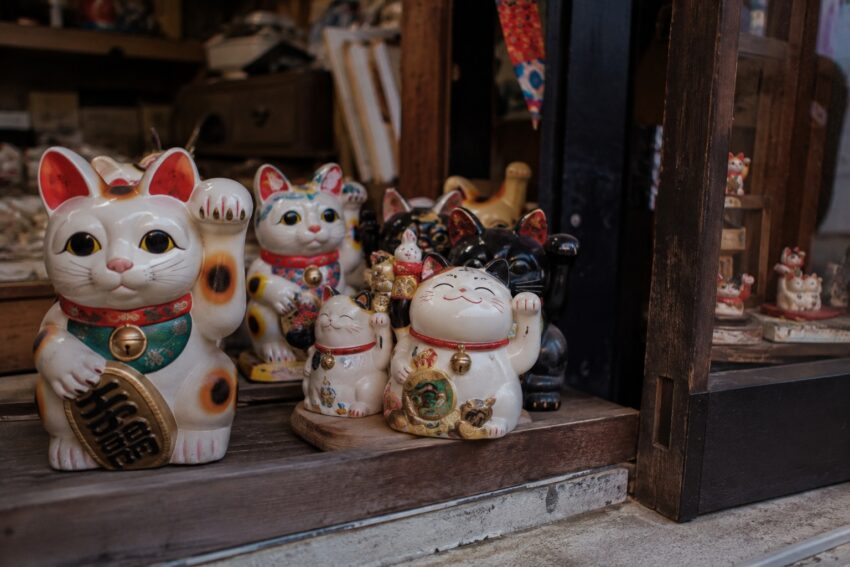
The maneki-neko, or beckoning cat, is the familiar cat figure with one raised paw that you’ll often see in Japanese businesses and restaurants (and plenty of places outside Japan now, too). When I lived in Japan, I saw these in nearly every single shop.
It’s generally associated with inviting good fortune or prosperity, although meanings can vary depending on the raised paw, color, and objects the cat holds.
Despite sometimes being called a “waving cat” in English, the gesture is actually beckoning. Basically, this cat isn’t waving goodbye to your money. It’s inviting more of it in.
9. Ancient Egyptian Cats Were Connected With Divine Protection
You’ve probably heard some version of “the ancient Egyptians worshipped cats,” but the reality is much more interesting than that suggests.
Cats had strong religious and protective associations in ancient Egypt. Several deities had feline characteristics, including Bastet, who eventually became closely associated with domestic cats and protection of the home.
Cats themselves were valued for very practical reasons, too. They killed rodents and venomous snakes, protecting food stores and households.
By later periods of ancient Egyptian history, cats could be mummified and offered in connection with religious practices surrounding Bastet.
So no, Egyptians didn’t simply look at the household cat knocking a cup off the counter and declare, “Clearly, a god.” But cats really did occupy an unusually important place in Egyptian religious and everyday life.
10. The Scottish Cat Sìth Could Steal a Soul
Scottish Highland folklore gives us the Cat Sìth, a fairy creature typically described as a large black cat with a white patch on its chest.
One tradition held that the Cat Sìth could steal the soul of a dead person before the gods claimed it, so people kept watch over a body before burial to prevent the creature from approaching.
Yet the Cat Sìth wasn’t always treated purely as something evil. During Samhain, people reportedly left milk out for it, hoping to receive a blessing rather than a curse. FYI, regular cow milk isn’t good for cats. So, if you want to give this one a try this Halloween, go with something like CatSip.
Made from Grade A low-fat milk that’s 99% lactose-free, this tasty supplement is easy for cats and kittens to digest. Unlike solid treats, it helps keep your kitty hydrated, supporting their kidney health. Plus, it contains taurine, an essential nutrient for eye and heart health.

11. Freyja’s Chariot Was Pulled by Cats
In Norse mythology, the goddess Freyja was associated with cats and famously traveled in a chariot pulled by two of them.
The surviving sources don’t give us nearly as much detail about these cats as modern retellings sometimes suggest, but the cat-drawn chariot itself became one of Freyja’s recognizable attributes.
Anyone who has ever tried to get two cats into carriers at the same time should take a moment to appreciate the logistics involved here.
Goddess, indeed.
12. Cats Were Linked to Witches in Medieval and Early Modern Europe
Here’s where cats, particularly black cats, got stuck with some seriously bad PR.
During periods of intense fear surrounding witchcraft in Europe, cats became associated with witches, demons, and supernatural familiars. Some stories claimed witches could transform themselves into cats, while others described cats as companions or agents of witches.
Versions of these beliefs later traveled to colonial America and became part of the folklore surrounding witchcraft there as well. The association eventually helped cement the black cat as one of our most recognizable Halloween symbols.
Unfortunately, unlike most harmless folklore, negative beliefs about black cats have had real consequences for actual animals. Whatever you think about superstition, a cat’s coat color doesn’t determine its personality, temperament, or ability to bring doom upon your household.
That last job belongs to the cat who discovers how to open kitchen cabinets (which I now have three of because Zoe taught the kittens how to do it).
13. A Cat at Your Wedding Can Be Good Luck
Several European traditions have connected cats with marriage and weddings.
In some folklore, a cat appearing near a bride or wedding is considered a good omen for the marriage. Black cats in particular have occasionally been associated with romantic luck rather than misfortune.
There’s even a wonderfully specific old belief that hearing a cat sneeze near a bride on her wedding day means she’ll have a happy marriage.
I wouldn’t necessarily rearrange the seating chart around the cat, but as wedding omens go, it’s considerably nicer than rain.
14. Stepping on a Cat’s Tail Could Ruin Your Marriage Prospects
Other marriage-related cat superstitions are less encouraging. One old English belief warned that a woman who stepped on a cat’s tail wouldn’t marry that year.
Frankly, if you deliberately step on a cat’s tail, romantic consequences may be the least immediate of your problems. The cat will handle sentencing.
15. Tortoiseshell Cats Can Bring Luck in Love
Tortoiseshell cats have collected their own assortment of lucky associations.
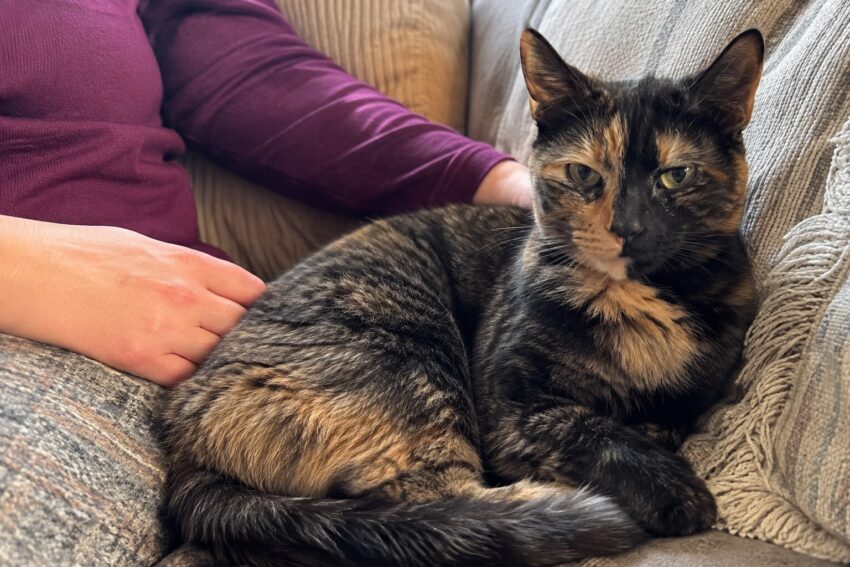
One traditional belief says that dreaming about a tortoiseshell cat means you’ll be lucky in love.
Tortoiseshell and calico cats are considered lucky in several cultures more generally, although the exact beliefs vary widely.
Considering torties also have a reputation among cat people for possessing a certain amount of…let’s call it executive authority, perhaps the universe simply knows better than to argue with them.
16. Polydactyl Cats Were Lucky Shipmates
Cats with extra toes have long been associated with sailors and ships, particularly in parts of Britain and North America.
Sailors sometimes considered polydactyl cats especially lucky and believed their oversized paws or extra toes made them better mousers or helped them balance aboard ships.
Whether the extra toes actually turned them into superior sailors is debatable.
But between catching rodents and looking like they’re wearing mittens, they were clearly contributing something.
17. A Cat Washing Its Face Means Company Is Coming
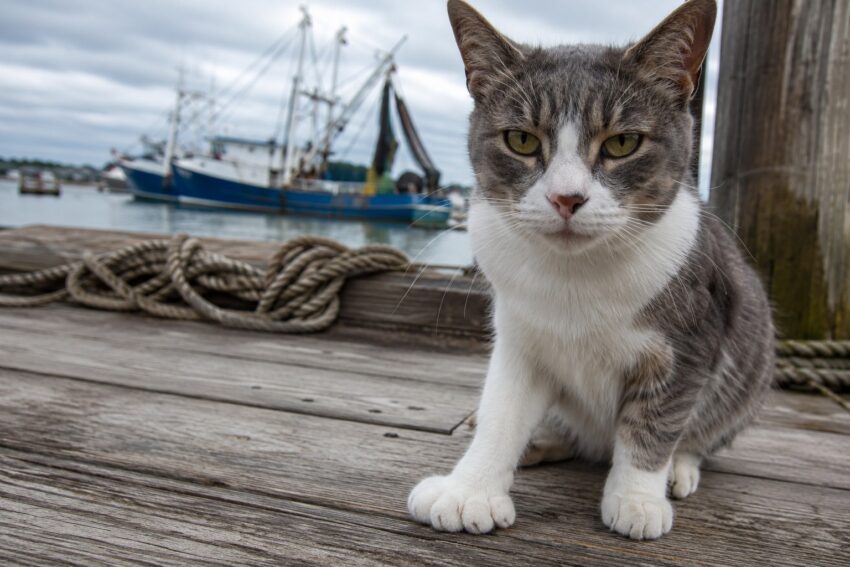
You’ve probably heard some version of this one: when a cat washes its face or ears, visitors are coming.
Variations of this belief appear in different parts of the world. Some get remarkably detailed, with the direction the cat faces supposedly indicating where the visitor will come from.
It’s basically caller ID, except furry and considerably less reliable. Although if your cat suddenly starts grooming immediately before someone knocks at the door, feel free to be impressed.
18. A Cat Entering a New Home First Can Bring Good Fortune
In Russian folk tradition, there’s a long-standing custom of allowing a cat to enter a new home before the people do.
The cat’s behavior could supposedly help identify a favorable place within the house, and its presence was connected with bringing good fortune into the new home.
Even today, you’ll sometimes see references to the tradition when people move into a new house.
I’m guessing the cat’s modern version involves entering first, inspecting every room, locating the warmest window, and claiming the best spot before the furniture arrives.
Actually, that’s just normal cat behavior.
19. Cats Have Nine Lives
This may be the world’s most famous cat superstition. Cats obviously don’t have nine lives, but it’s easy to see why people once thought they possessed an almost supernatural ability to survive.
Cats have a highly developed righting reflex that helps them rotate their bodies during a fall and frequently land feet-first. They’re also remarkably agile animals capable of escaping situations that look disastrous from a human perspective.
Why nine lives?
Nine has carried mystical and symbolic significance in numerous cultures, which probably helped the saying stick. Interestingly, not every culture gives cats the same number. Some traditions give them seven lives, while certain Spanish-speaking traditions say cats have seven.
Either way, your cat gets exactly one actual life. Please don’t test the theory.
20. Cats Always Land on Their Feet
This one lives somewhere between superstition and misunderstood science.
Cats do have an impressive righting reflex that allows them to orient themselves during a fall. But they absolutely do not always land safely, and falls can cause severe or fatal injuries.
The extraordinary agility of cats likely helped inspire generations of folklore about their supernatural survival abilities.
So while your cat may behave as though gravity is merely a suggestion, screens on high windows and balconies are still a very good idea.
21. A Cat’s Sneeze Can Bring Good Luck
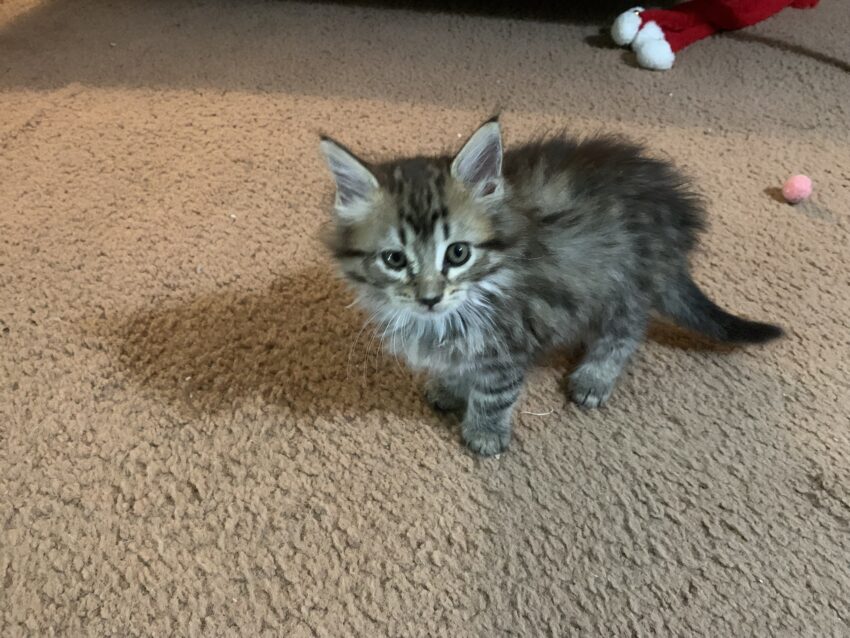
Cat sneezing has accumulated a surprising number of supernatural meanings. In some Italian folklore, hearing a cat sneeze is considered good luck. Other traditions connect a cat sneeze with rain, marriage, or future prosperity.
Apparently even feline respiratory reflexes needed a mystical explanation.
Of course, one sneeze is one thing. If your cat is repeatedly sneezing, has eye or nasal discharge, seems congested, or otherwise isn’t acting like themselves, skip the superstition and call your vet.
22. Cats Could Protect a Home From Evil
Cats don’t always play the villain in supernatural folklore. In many traditions, they’re the protection from whatever creepy thing might be lurking around.
Stories from parts of Asia, Europe, and the Middle East have credited cats with detecting, repelling, or protecting people from evil spirits and other supernatural threats.
Some of these beliefs probably grew from the same traits that make cats seem mysterious even now. They see well in low light, hear frequencies we can’t, notice tiny movements, and routinely become intensely interested in things completely invisible to us.
Usually it’s a bug. Probably.
23. Cats and Jinn Appear Together in Middle Eastern Folklore
Cats hold an interesting place in Islamic history and Middle Eastern folklore, and it’s especially important here not to mash religious teachings and folk beliefs together.
Cats generally have positive associations within Islamic tradition, including well-known teachings emphasizing kindness toward them. They’re also considered clean animals.
Separate folk traditions, however, have sometimes connected cats with jinn, supernatural beings described in Islamic tradition and pre-Islamic Arabian belief. Depending on the particular story and region, cats might be viewed as forms taken by jinn or animals capable of interacting with the unseen world.
The beliefs aren’t universal, and folklore varies considerably by place and period.
In other words, “Muslims believe cats are jinn” would be wildly inaccurate. “Cats appear in some regional folklore about jinn” is much closer to the mark.
24. Killing or Hurting a Cat Could Bring Terrible Luck
Considering how often cats were thought to possess supernatural powers, it’s probably unsurprising that many cultures developed strong taboos against harming them.
Ancient Egyptian sources indicate that killing a cat could be treated as an extremely serious offense. Centuries later, sailors feared disastrous consequences if someone harmed a ship’s cat.
Various European folk traditions also warned of misfortune following cruelty toward cats.
Whether you believe in supernatural consequences or not, this is one cat superstition that everyone needs to keep. There’s no reason to EVER hurt a cat.
25. Cats May Know More Than They’re Letting On
This isn’t technically an ancient superstition. It’s just something anyone who has lived with cats for long enough begins to suspect.
Cats hear things we can’t hear. They see movement we don’t notice. They know someone is approaching the house before we do. They’ll suddenly stare at a blank wall with the concentration of a detective reviewing evidence.
And throughout human history, we’ve apparently looked at all of that mysterious feline behavior and concluded:
That cat knows something.
Scientifically speaking, your cat probably isn’t communicating with ghosts, predicting your marriage, summoning storms, or plotting to transform into a bakeneko once they reach the appropriate age.
But after thousands of years of cat folklore from around the world, I wouldn’t blame you for occasionally wondering. Especially when they’re staring at that empty corner again.
So, Are Any Cat Superstitions Actually True?
Not in the supernatural sense, as far as we know.
But quite a few probably started with people trying to explain very real feline abilities before we understood the science behind them.
Cats can orient themselves remarkably quickly during a fall. Their hearing is far more sensitive than ours. They see better than we do in low light. They can detect tiny movements and subtle environmental changes that humans miss. Their behavior may even change in response to approaching weather.
Put all of that into a small nocturnal predator with reflective eyes that moves almost silently through the house, and it’s not difficult to understand why our ancestors decided cats had one paw in the supernatural world.
Personally, I prefer the superstitions where cats bring money, protect the house, and keep ships from sinking.
If we’re going to assign magical powers to them, we might as well choose the useful ones.